
Describe the property
Send the location, symptoms, equipment and access details. State whether the work is a repair, replacement or planned project.
Need plumbing help in Markham? Tell us about the leak, blocked drain, fixture or water heater. A responding provider will confirm coverage and availability before booking.
Get A Free QuoteCompare tank and tankless replacement options by capacity, fuel, venting and available mechanical-room space. If a tank is rented, review its terms before planning a change.
View scopeFor a slow or recurring drain, compare snaking with hydro-jetting based on pipe condition and blockage location. Camera inspection may help investigate repeat main-line problems.
View scopeDocument visible galvanized or poly-B pipe and compare branch replacement with broader repiping. Material, routing and finished-wall access affect the choice of PEX or copper and the restoration scope.
View scopePlan fixture replacements, bathroom renovation plumbing or basement rough-ins using product specifications, connection locations and drainage elevations. These details can affect installation access and equipment needs.
View scopeRecord stains, damp areas, sounds and unusual water use before investigating a hidden leak. Acoustic, thermal and pressure-testing methods provide different clues and can guide access planning.
View scopeCompare sump capacity, battery backup and alarms using pit behaviour and discharge details. Assess a mainline backwater valve separately, based on the building drain layout and applicable requirements.
View scopeUse water test results, household demand and installation space to compare softener capacity. For drinking water, assess reverse osmosis specifications, cabinet access and filter maintenance.
View scopeA softener or filter should be selected for a measured water concern and the home’s actual plumbing layout. If scale is visible, photograph affected fixtures and appliances, and arrange a suitable hardness test rather than assuming a reading. Record household size, peak water use, available installation space and nearby drains. For drinking-water treatment, identify the taste or other concern and compare the system’s stated treatment function. Capacity, bypass access and cartridge servicing all affect equipment choice and installation scope.
Compare tank and tankless replacement options by capacity, fuel, venting and available mechanical-room space. If a tank is rented, review its terms before planning a change. For a slow or recurring drain, compare snaking with hydro-jetting based on pipe condition and blockage location. Camera inspection may help investigate repeat main-line problems. Document visible galvanized or poly-B pipe and compare branch replacement with broader repiping. Material, routing and finished-wall access affect the choice of PEX or copper and the restoration scope.
Plan fixture replacements, bathroom renovation plumbing or basement rough-ins using product specifications, connection locations and drainage elevations. These details can affect installation access and equipment needs. Record stains, damp areas, sounds and unusual water use before investigating a hidden leak. Acoustic, thermal and pressure-testing methods provide different clues and can guide access planning.
Compare sump capacity, battery backup and alarms using pit behaviour and discharge details. Assess a mainline backwater valve separately, based on the building drain layout and applicable requirements. Use water test results, household demand and installation space to compare softener capacity. For drinking water, assess reverse osmosis specifications, cabinet access and filter maintenance.
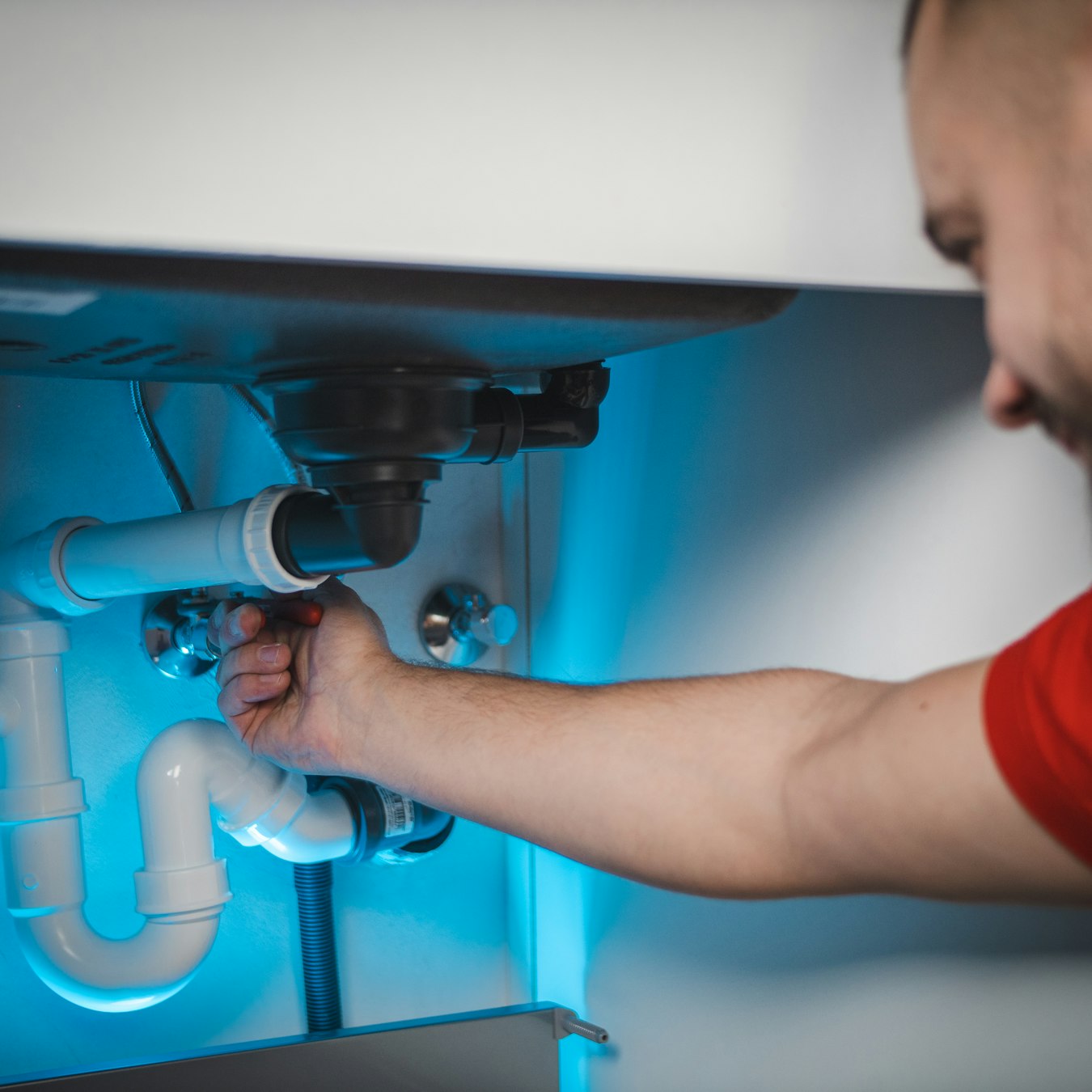
A recurring drain blockage can call for different methods depending on its location, cause and the pipe’s condition. Note which fixtures drain slowly, whether several fixtures are affected, and when the problem occurs; photograph any accessible cleanout and record recent work. Snaking may clear an obstruction, while hydro-jetting can remove deposits from suitable pipe walls. If the blockage returns, ask whether a camera inspection is appropriate before repair decisions. Pipe material and condition help determine safe, useful next steps.
Explore this serviceSend the location, symptoms, equipment and access details. State whether the work is a repair, replacement or planned project.
The request is reviewed so the responding provider can clarify the work, property access and service coverage.
Agree the provider identity, qualifications, written scope, pricing and visit window directly. Sending a form does not confirm an appointment.
Photograph the existing rough-in and note the proposed toilet, shower and sink locations. Ask whether gravity drainage is possible by comparing fixture elevations with the available drain connection. If it is not, a lift station may need consideration. Confirm the proposed route, access and equipment requirements before finishing the basement, since those choices change the scope.
Photograph accessible pipe and fittings, including any printed markings, and note where each material is visible. Galvanized pipe and poly-B have different characteristics and replacement considerations. Ask how the proposed inspection will confirm what is inside finished walls, and request the evidence behind any recommendation to replace a branch or the whole system.
If a floor feels unusually warm or a foundation area stays damp, record the location and any pattern in the symptoms. Ask whether isolating the relevant line and pressure-testing it can confirm a leak. Discuss how a repair or reroute would be accessed and compare the likely excavation or opening required before authorizing work.
For a tankless system, list how many fixtures may run at once and note the existing gas line or electrical service. Ask how the proposed unit’s flow rate and input capacity match that demand. Check the planned vent route and available wall space too, since supply upgrades or a longer vent run can change installation scope.
Describe the blockage and ask whether a cable or hydro-jetting is suitable for the affected line. Snaking can open a passage through an obstruction; jetting uses water to clean deposits from pipe walls. Pipe material, condition and access matter, so ask how the line will be assessed before a higher-pressure method is used.
Use the form to describe the property, the symptoms and the work requested. For Unionville, Thornhill, Stouffville, Richmond Hill, include your postal code so local coverage can be checked.
If your location is not listed, include its postal code with the requested work. Coverage, travel arrangements and scheduling must be confirmed directly with the provider.